Shooting Wide Open is Stupid.
Ok, so the title is a bit of an embellishment… but only a bit.
While looking through old photos of my previous eras, I noticed a common theme detracting from the images - out of focus or soft details. This was a result of my insistence to shoot wide open as a default when approaching a scene. I mean it felt right. I paid tons of money for faster lenses and it had that “pro look” (spoiler it doesn’t).
Now I get it, it is appealing to have the most expensive fastest glass and on paper it opens up new shooting opportunities and potential. I too have the infamous G.A.S. problem. However I’d argue that in reality more images are hurt from faster apertures than benefit.
The primary issue is focusing error. When you have f/1.4 glass, it is really hard to actually nail focus. When the margin of error is the difference of the nose tip to the eye, even the slightest body sway is all it takes to ruin focus. Not to mention, this slows you down massively. Any fast shooting opportunities might as well be disregarded. Action shots become near impossible at those apertures - at lease if you care about being in focus and sharpness. Stopping down gives you a significant amount of latitude to play with. Nailing focus becomes somewhat irrelevant as the usable focus range is massively expanded when at f/8. If you want to hip shoot or zone focus, f/1.4 will ruin 99.9% of your shots.
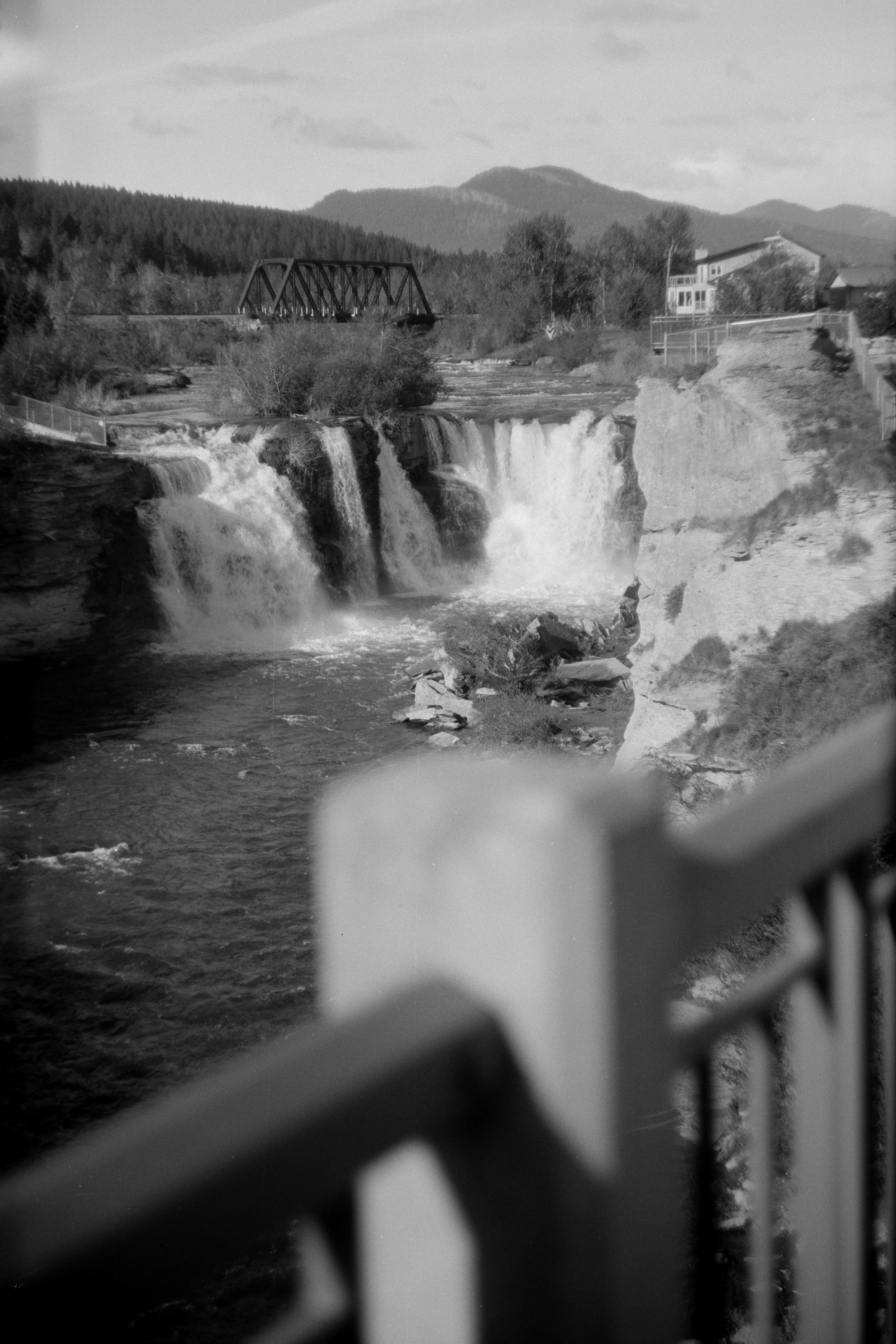
Even if you are in a more slow-paced and controlled environment, there aren’t that many cases where wider apertures actually lead to better photos. When capturing scenes and grand views, you have to really ask yourself if having soft focus is the foreground or background is actually adding anything to the image. There are cases where it does and it can be a useful effect when you want to specifically draw focus to a thing in the scene. However if the photo is less about said thing and more about the scene generally, I’d argue that having out of focus elements detracts from the image. Additionally, you are probably getting a less sharp image overall as very few lenses are optimal at the extremes. Beyond portraits and some detail shots, I don’t really think the wide aperture look makes an image better and actually can make your shots look amateur and not deliberate. I certainly feel this way about my own work.
Once you realize that your photos benefit on average from being stopped down, there are lots of additional benefits. You can save tons of money and buy cheaper glass as the premium for wider apertures is significant. Often there are slower versions of a lens that are smaller and lighter weight. This means you are more likely to actually bring the lens with you and be able to last longer in the field when lugging gear. If you shoot vintage glass a lot, the benefits to focus errors and faster shooting times is significant. Nailing focus with old manual focus lenses can be tricky - especially with an optical view finder. Stopping down can make this significantly easier and trust me when I say it improves the number of usable shots.
If you want to create depth in a photo, there are more visually pleasing ways that blurring a section out. Studying composition and creating a vanishing point through layering or leading lines is much more deliberate and visually compelling method. Only when we want to draw attention deliberately to a specific thing in an image at the expense of the entire scene does it make sense to blur out other items. For most scenes, it doesn’t really work that well to have sections out of focus when there are multiple areas of interest. Just think about our eyes and how we view the world. Our eyes tend to be quite sharp (or at lease how our brain interprets what we see). We tend to have natural blurring around the edges of our vision, however when we scan a scene, we don’t really notice the out of focus areas as our eyes are rapidly scanning the whole area, making us interpret the area as in focus. When we focus closely on details, that’s more likely when you’ll notice natural burring in your vision. I think following this as a rough guide is a likely recipe for better shots.
In summary, my argument isn’t to completely avoid the use fast apertures, it is to avoid using them as a default and to only use them deliberately when a situation is obvious to benefit from doing so. If it is unclear if a scene needs it, I’d say that odds are having more depth is the likely way that will produce better images and provide a significantly higher hit rate of usable images.
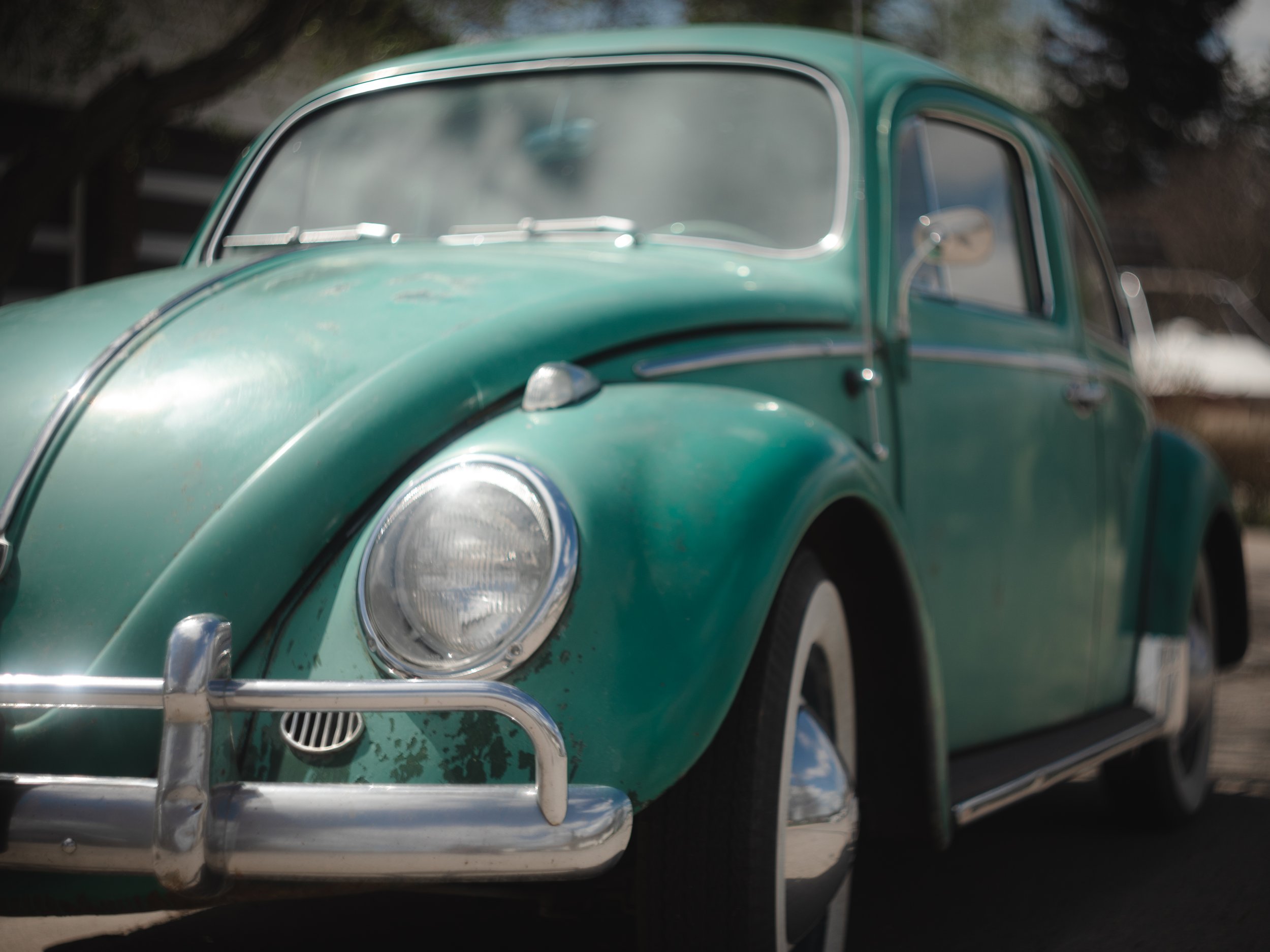
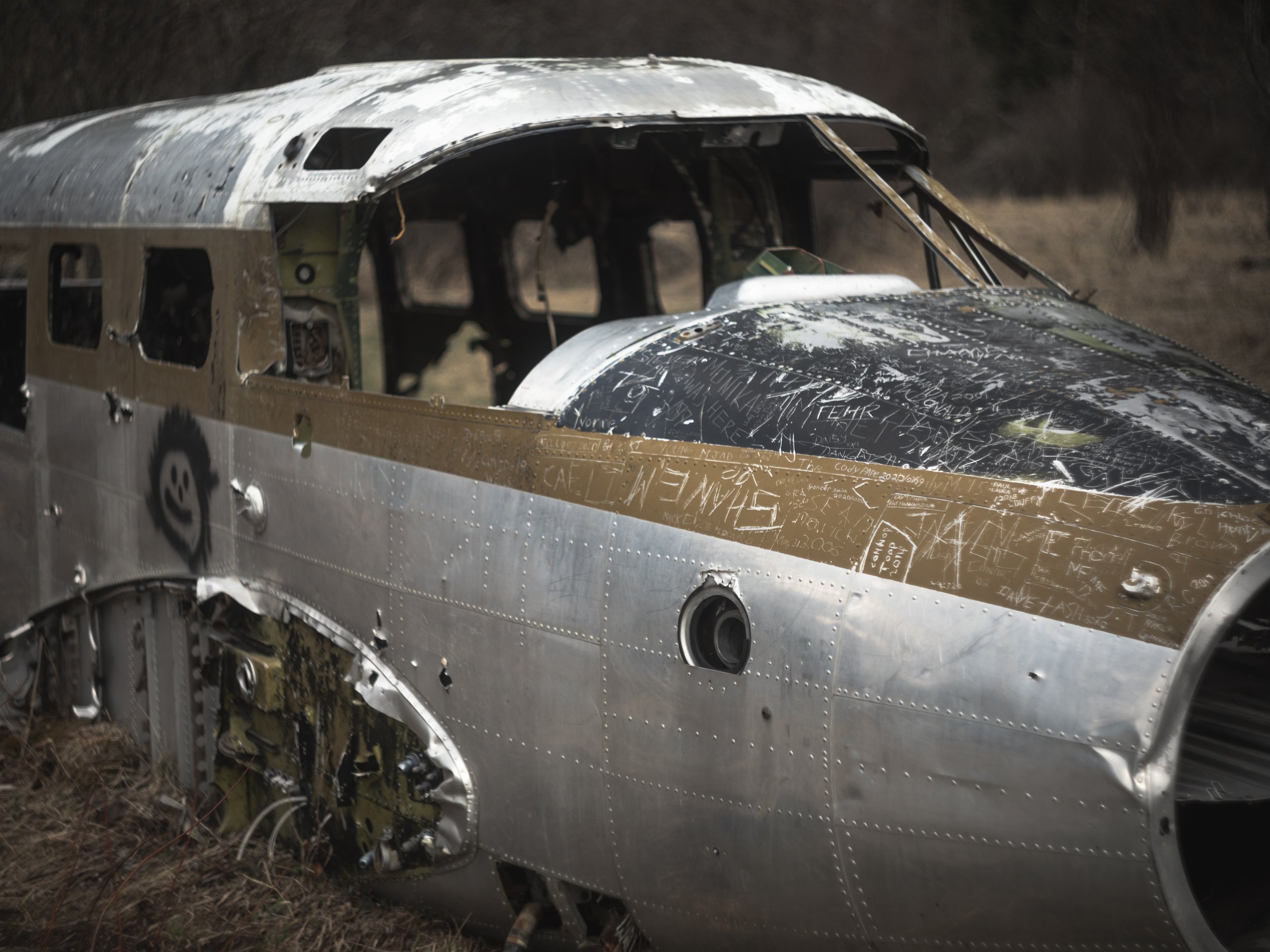
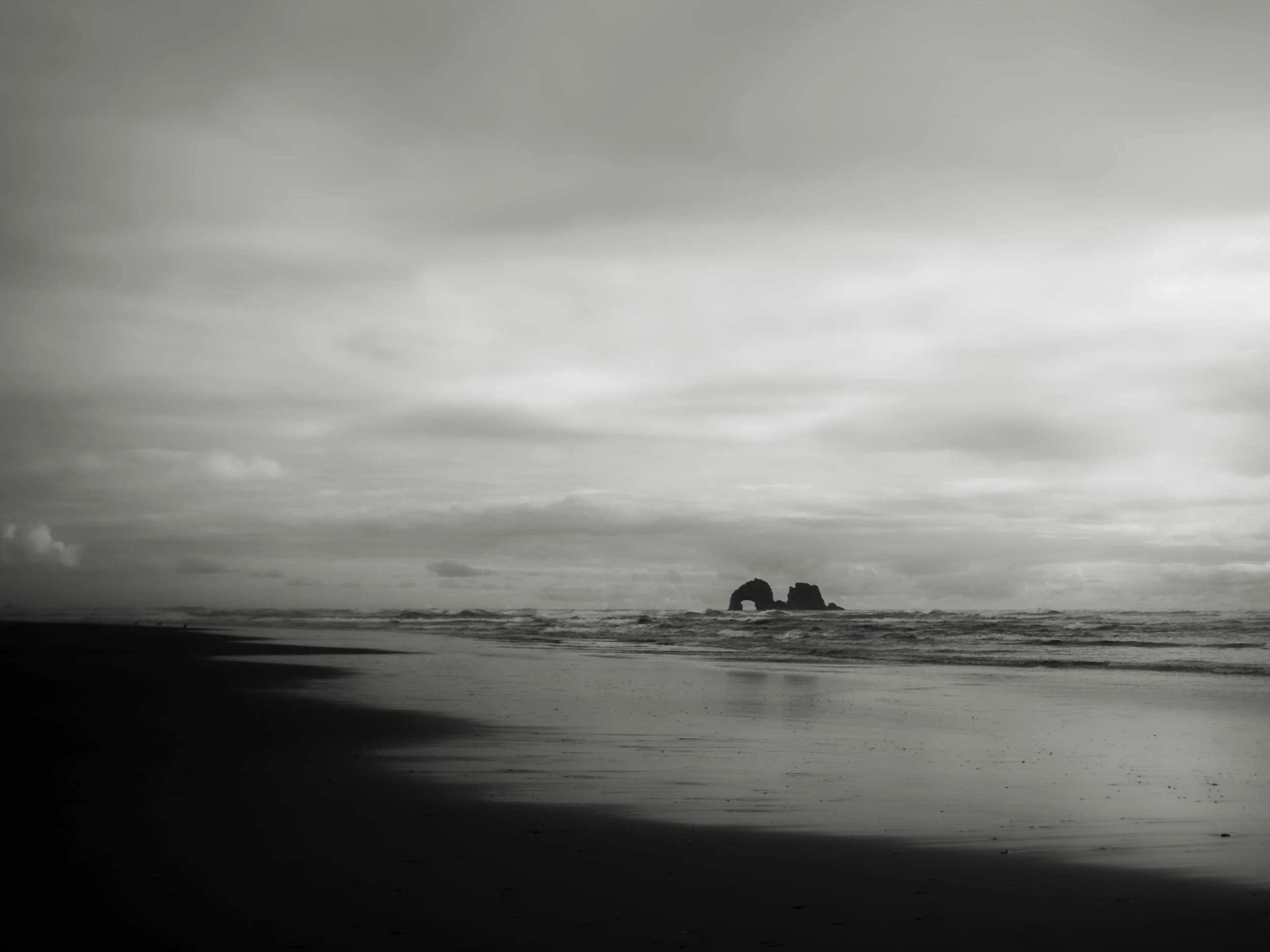
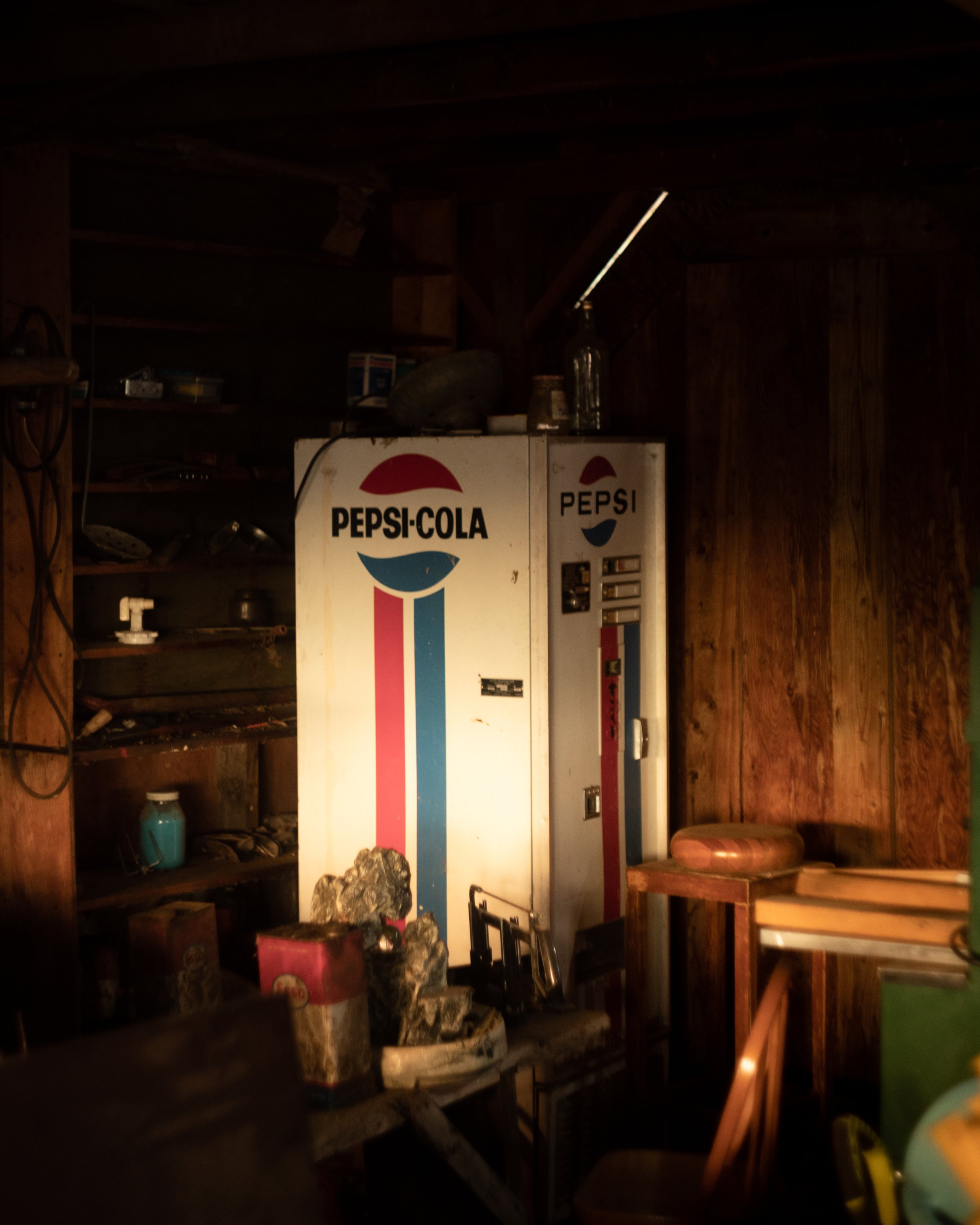
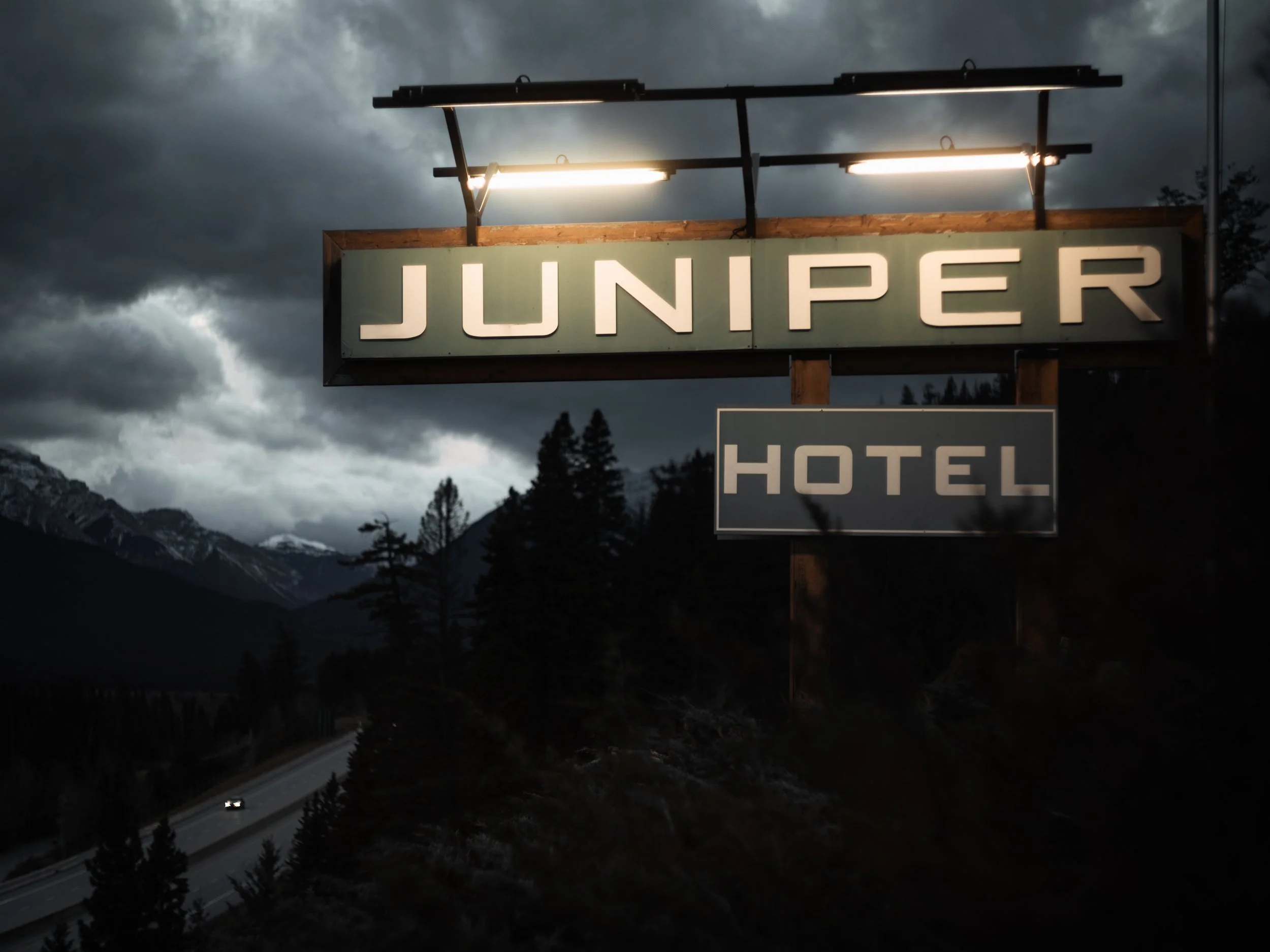
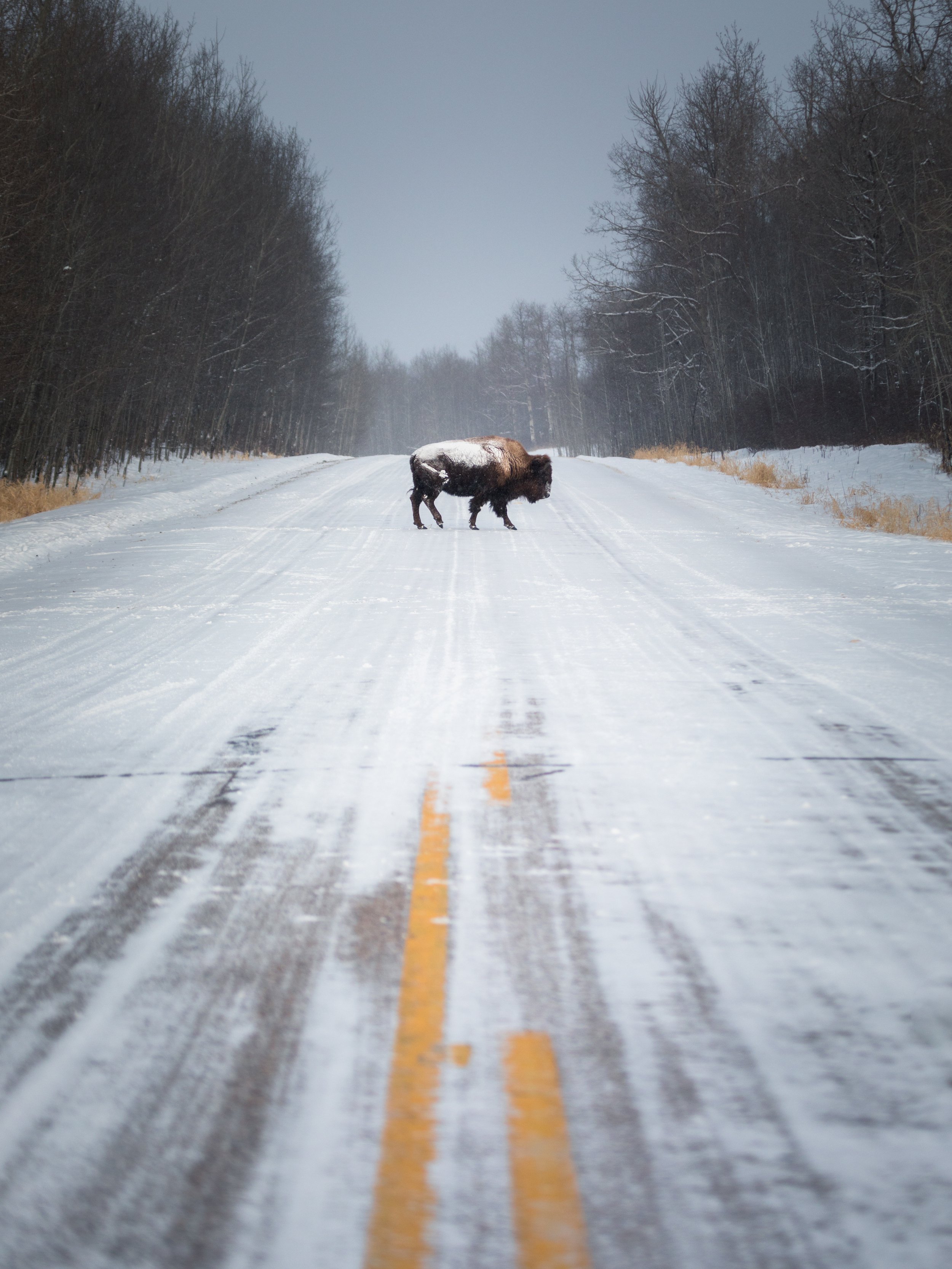
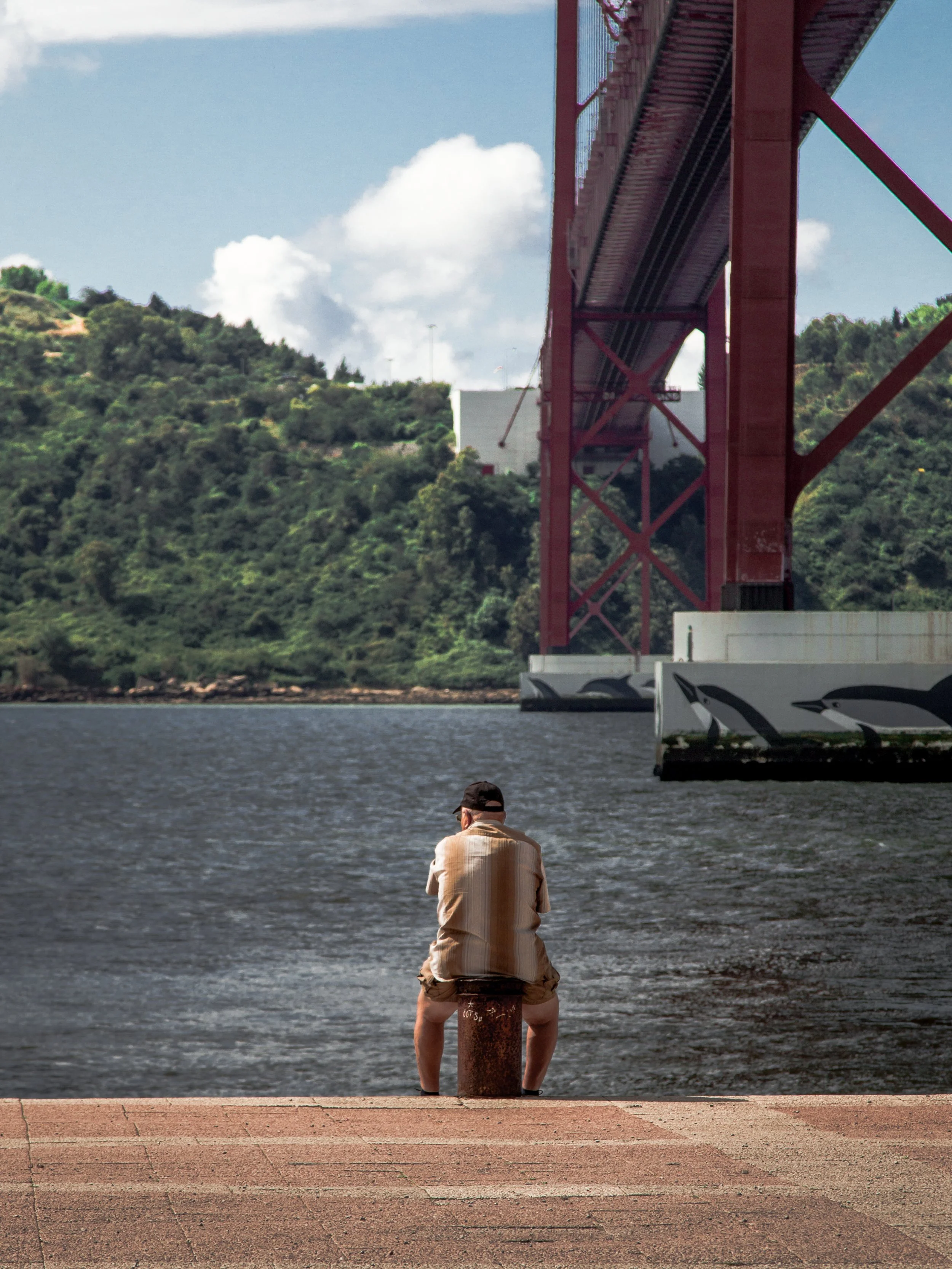
Below is a gallery of shots I took that I think didn’t benefit or were wrecked by using faster apertures - mostly regarding focus and sharpness.